Soup 101: Without a Recipe
There's something about a fall day that makes me want to pull out my biggest soup pot, open the refrigerator and see what happens.
And here's a little secret. Some of the best soups I've ever made started without a recipe. Soup is one of the easiest dishes to make without following a recipe. It's forgiving, flexible and a fantastic way to use up those vegetables hiding in the back of your refrigerator.
So today, we're skipping the recipe card. Let's talk about how to make a great pot of soup using what you've got!
First Things First: What's in the Fridge?
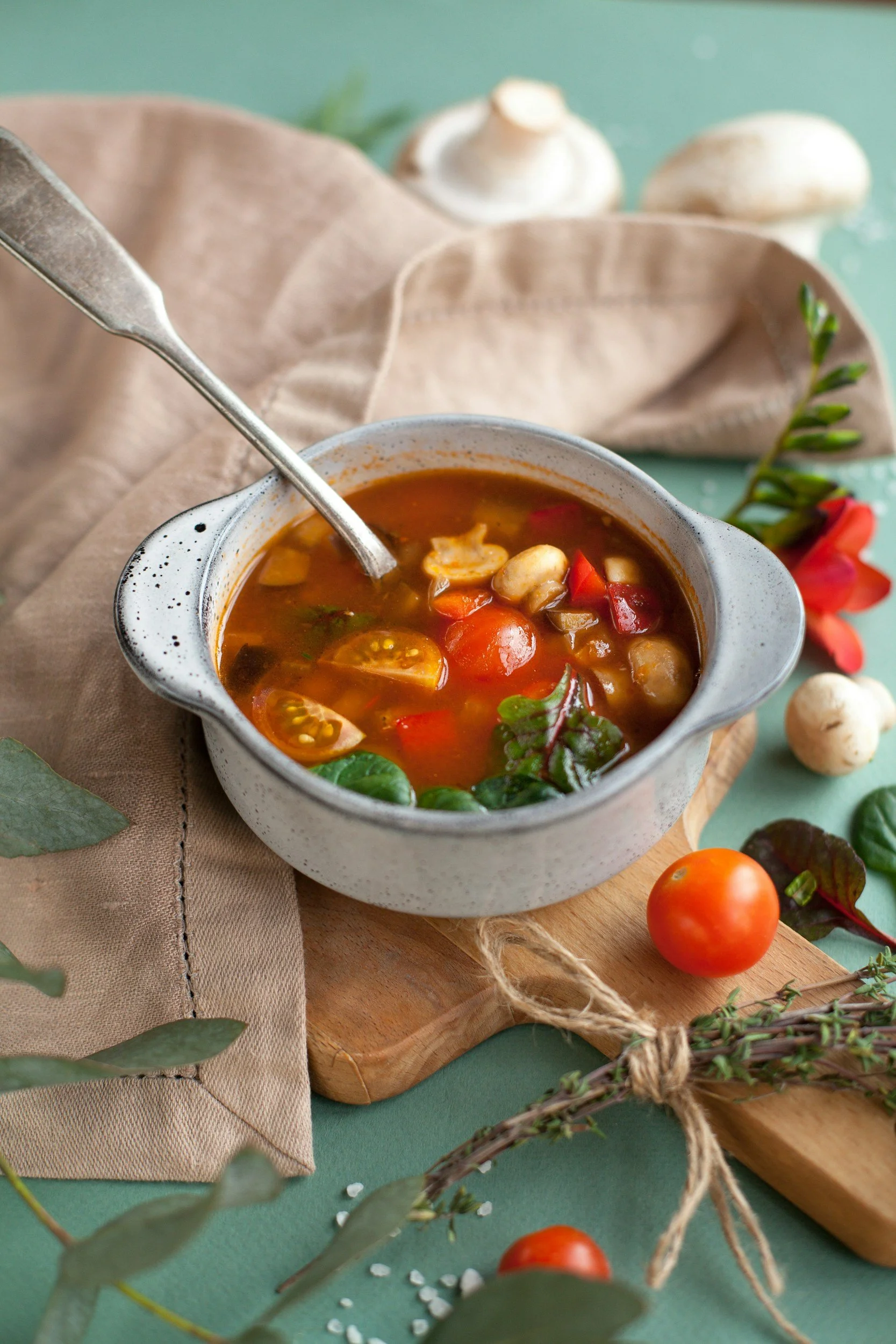
Before turning on the stove, take inventory.
Half an onion? Perfect. A couple of carrots? Bring them along. Leftover roasted chicken? Absolutely. A lonely sweet potato, some kale, a can of beans or a handful of mushrooms? Now we're getting somewhere.
That's one of the things I love about soup. You can take a collection of ingredients that don't seem to belong together and turn them into something delicious.
Think about balance. You'll want vegetables for flavor, something hearty for substance and enough liquid to bring everything together. And don't feel like you need fifteen different ingredients. Sometimes simple is better.
Build Your Flavor First
Here's where I want you to slow down a little.
One of the biggest mistakes people make is throwing everything into a pot, pouring broth over it and hoping for the best. Sure, you'll end up with soup, but you're missing an opportunity to build some serious flavor.
Start with a little olive oil or butter and add your vegetables. Onions, carrots and celery are the classic combination, but leeks, shallots, garlic and mushrooms work beautifully too.
Let everything soften and develop flavor before adding liquid. If you're using sausage or another meat, brown it first. Those little browned bits at the bottom of your pot are packed with flavor!
Now think about seasonings. Italian-inspired? Try oregano, basil and garlic. Want something smoky? Reach for cumin and smoked paprika. For classic fall comfort, thyme, rosemary and sage are hard to beat.
Chef Tip: Add dried herbs and spices to the warm oil for about 30 seconds before pouring in your broth. This helps release their flavor and aroma. Just keep them moving so they don't burn.
Let's Get Things Simmering
Chicken, beef or vegetable broth all make great soup bases. Start with enough liquid to cover your ingredients, adding more as needed.
Bring everything to a gentle simmer and let the flavors develop. There's no need for a rolling boil.
Now comes the fun part. Give your soup something hearty! Beans, lentils, potatoes, rice, barley and pasta are all wonderful additions. Shredded rotisserie chicken, leftover turkey or browned sausage can easily turn a simple vegetable soup into dinner.
Just pay attention to cooking times. Potatoes and raw carrots need longer than spinach or cooked chicken. Add ingredients in stages so everything finishes at the right time.
And if you're adding pasta, remember that it keeps absorbing liquid. For leftovers, I often recommend cooking it separately and adding it to individual bowls.
Creamy Soup Without All the Cream
I love a good creamy soup, but you don't always need heavy cream to get that wonderful texture.
Try blending a portion of your cooked vegetables and broth, then stirring it back into the pot. White beans, potatoes and cauliflower are especially good for adding body.
For butternut squash, carrot or roasted tomato soup, you can blend the entire batch until smooth.
And yes, you can absolutely add a splash of cream. I'm a chef, not the cream police!
Taste, Taste, Taste!
This might be the most important lesson in cooking without a recipe.
Taste your soup as it cooks! If it tastes flat, it may need salt. If it's rich but missing something, try lemon juice or a splash of vinegar. Need more depth? A little Worcestershire sauce, soy sauce or miso can work wonders.
Fresh herbs, grated Parmesan, crispy croutons or a drizzle of olive oil can also bring a simple bowl of soup to life.
Don't automatically reach for more salt every time something tastes off. Sometimes a little acidity is exactly what your soup needs.
Five Soup Ideas to Get You Started
Still nervous about ditching the recipe? Here are five combinations to play around with.
Chicken, Wild Rice & Mushroom: Onions, carrots, celery, mushrooms, thyme, chicken broth, wild rice and shredded chicken. Finish with parsley and a splash of cream.
White Bean, Sausage & Kale: Brown Italian sausage, add onions, garlic, white beans, chicken broth and crushed red pepper. Stir in kale near the end and finish with Parmesan.
Roasted Butternut Squash & Apple: Roast squash, onions and apples until tender. Add vegetable broth, sage and nutmeg, then blend until smooth.
Tomato, Chickpea & Spinach: Sauté onions and garlic, then add crushed tomatoes, chickpeas, vegetable broth, oregano and smoked paprika. Finish with fresh spinach.
Loaded Baked Potato: Simmer potatoes with onions, garlic and chicken broth. Blend a portion for creaminess, then finish with cheddar, green onions and crispy bacon.
These aren't strict recipes. They're starting points. Swap ingredients, adjust seasonings and make them your own.
Put Down the Recipe and Pick Up the Spoon!
Here's what I hope you take away from all of this: You don't need a recipe to make a really good pot of soup.
Start with aromatics, build flavor, add liquid, choose something hearty and let everything simmer. Taste along the way and don't be afraid to make adjustments.
Will every pot turn out exactly the same? Of course not! That's part of the fun.
The next time you're staring at a refrigerator full of odds and ends, don't automatically reach for your phone to search for a recipe.
Grab a pot, see what you've got and start cooking.
Happy cooking!